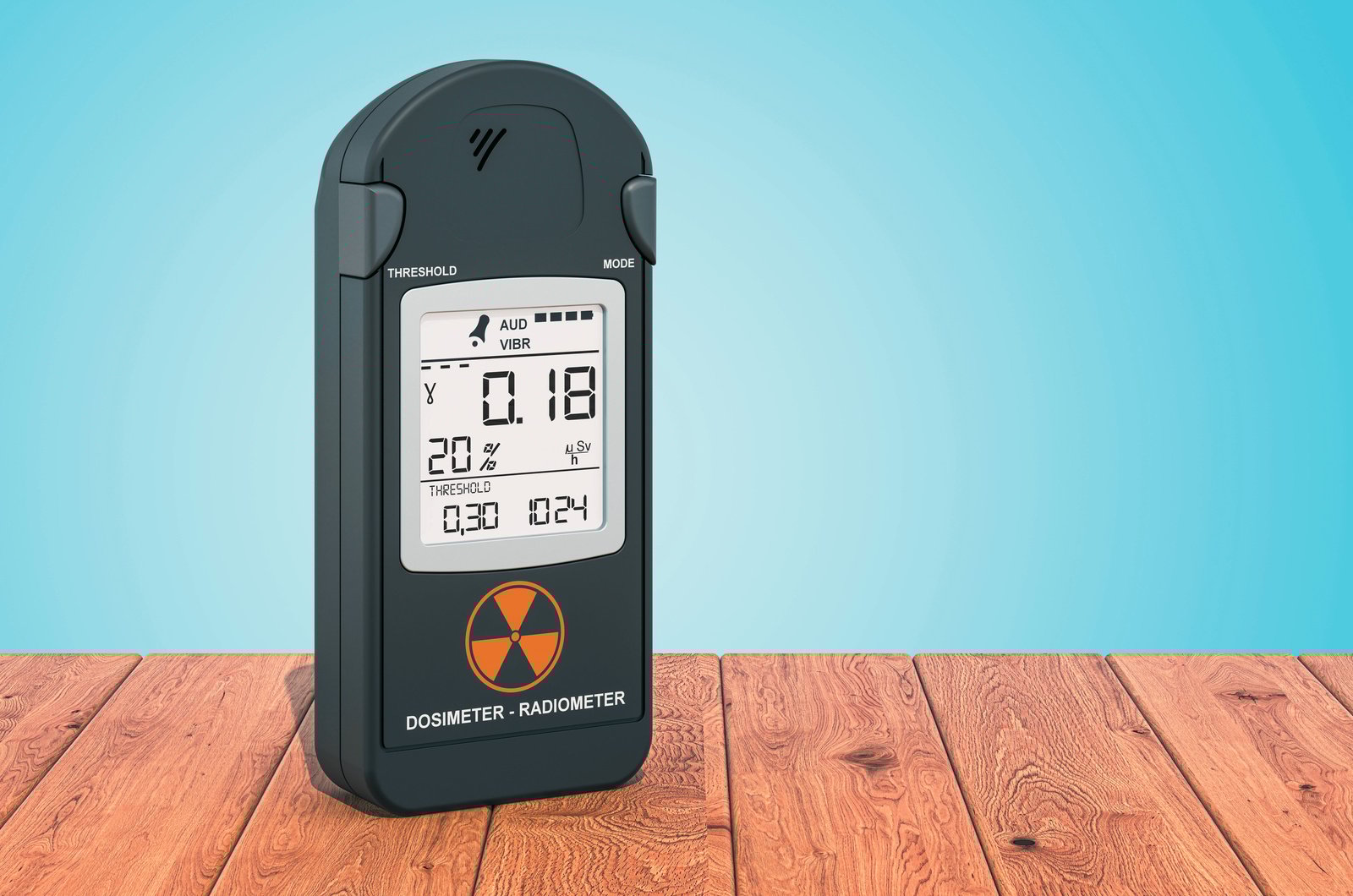

Gamma Irradiation

What is Gamma Irradiation ?

Gamma sterilization is a process used to sterilize products by exposing them to gamma radiation. This method is commonly used in industries such as medical device manufacturing, pharmaceuticals, and food processing to ensure that products are free from microorganisms like bacteria, viruses, and fungi. 

Here’s how gamma sterilization typically works: 

  1. Gamma Radiation Source: The sterilization process involves using gamma rays emitted by a radioactive isotope such as Cobalt-60 or sometimes by a machine called a gamma irradiator.
  2. Penetration and Ionization: Gamma rays are highly penetrating and can pass through various materials. When these rays interact with biological organisms, they ionize molecules within the organisms, damaging their DNA and preventing them from reproducing. 
  3. Sterilization Dosage: The effectiveness of gamma sterilization depends on the dosage of radiation received by the product. The dosage is measured in units of kilograys (kGy). Different organisms require different dosages for effective sterilization. 
  4. Process Control: The process is carefully controlled to ensure that the product receives the appropriate dose of radiation to achieve sterility without compromising the product’s integrity or functionality. 
  5. Advantages: Gamma sterilization is preferred in many industries because it can penetrate packaging materials and reach areas that may be difficult to access with other sterilization methods. It also does not leave any chemical residues on the sterilized products. 
  6. Applications: Gamma sterilization is used for sterilizing medical devices, pharmaceutical products, cosmetics, food packaging, and other items where ensuring sterility is critical. 

Overall, gamma sterilization is a reliable and widely accepted method for achieving sterility in a variety of products, ensuring they are safe for use or consumption. 

Benefits of Gamma Irradiation

Gamma sterilization offers several significant benefits, which contribute to its widespread use across various industries where ensuring sterility is crucial. Here are the key advantages: 

  1. Effective Sterilization: Gamma radiation can penetrate deep into materials, effectively sterilizing products by disrupting the DNA and cellular structure of microorganisms. This ensures a high level of sterility, even in complex and densely packed items
  2.  No Residual Chemicals: Unlike some chemical sterilization methods (such as ethylene oxide), gamma sterilization does not leave behind any residues or toxic chemicals on the sterilized products. This is particularly important in industries like medical devices, pharmaceuticals, and food processing, where product safety and purity are paramount. 
  3. Compatibility with Various Materials: Gamma radiation can penetrate a wide range of materials, including plastics, metals, paper, and fabrics. This versatility makes it suitable for sterilizing diverse products without damaging their physical properties or functionality. 
  4. Cold Sterilization Process: Gamma sterilization is a cold sterilization process, meaning it does not involve heating the products to high temperatures. This is beneficial for heat-sensitive materials, such as certain plastics, electronics, and biological materials, which could be damaged by other sterilization methods involving heat. 
  5. Process Control and Validation: The sterilization process with gamma radiation is highly controlled and validated. Dosage levels are carefully monitored and adjusted to ensure consistent and effective sterilization outcomes. This precision helps maintain product quality and reliability. 
  6. Fast and Efficient: Gamma sterilization is typically faster compared to other sterilization methods, such as steam sterilization. This efficiency is advantageous for industries where rapid turnaround times are required to meet production demands. 
  7. Wide Range of Applications: Gamma sterilization is used across various industries, including medical devices, pharmaceuticals, biotechnology, cosmetics, and food processing. Its broad applicability underscores its versatility and reliability in achieving sterilization goals. 
  8. Regulatory Acceptance: Gamma sterilization is well-established and widely accepted by regulatory agencies worldwide, including FDA (Food and Drug Administration) in the United States and EMA (European Medicines Agency) in Europe. Compliance with regulatory standards ensures that products meet stringent safety and quality requirements. 

Overall, gamma sterilization is valued for its effectiveness, safety, and reliability in achieving high levels of sterility without compromising product integrity. These benefits make it a preferred choice in industries where maintaining sterility is critical to ensuring product safety, efficacy, and compliance with regulatory standards. 

Difference Between Gamma v/s ETO

   GAMMA  ETO 
Mechanism  Gamma sterilization utilizes gamma radiation emitted from a radioactive source (typically Cobalt-60 or Cesium-137). Gamma rays penetrate materials and disrupt the DNA and cellular structure of microorganisms, rendering them unable to reproduce.  ETO sterilization uses ethylene oxide gas, which penetrates materials and disrupts the DNA of microorganisms, thereby preventing their reproduction. 
Process  Products to be sterilized are exposed to gamma radiation in a controlled environment. The dosage of radiation is carefully calculated and monitored to ensure effective sterilization without compromising product integrity.  Products are placed in a sealed chamber where they are exposed to ETO gas under controlled conditions of temperature, humidity, and concentration. After exposure, the gas is removed and the products undergo aeration to remove residual ETO. 
Residues  Gamma sterilization does not leave behind any chemical residues on the sterilized products, which is crucial for products like medical devices and pharmaceuticals.  ETO leaves behind residues on the sterilized products, which must be carefully monitored and controlled to ensure product safety. 
Regulatory Compliance  Gamma sterilization is recognized and approved by regulatory authorities for sterilizing pharmaceutical products, ensuring compliance  ETO sterilization requires strict adherence to regulatory guidelines due to its potential health and environmental hazards. 
Time Taken  Gamma sterilization is fast process.  ETO sterilization typically takes longer than gamma sterilization. 

Why it’s done

How it helps customers

Our approach

Who should get a Gamma Irradiation ?

Why choose Pinnacle Therapeutics

Quick summary of Gamma Irradiation

Case Study

Our Services

Gamma Irradiation

Employ high-energy gamma rays to sterilize and decontaminate various products, ensuring enhanced safety, extended shelf life, and compliance with rigorous industry standards.

Explore More

Dose Audit

Establish scientifically validated sterilization parameters through comprehensive bioburden analysis and verification testing. Our ISO 11137-1 compliant protocols ensure regulatory acceptance worldwide.

Explore More
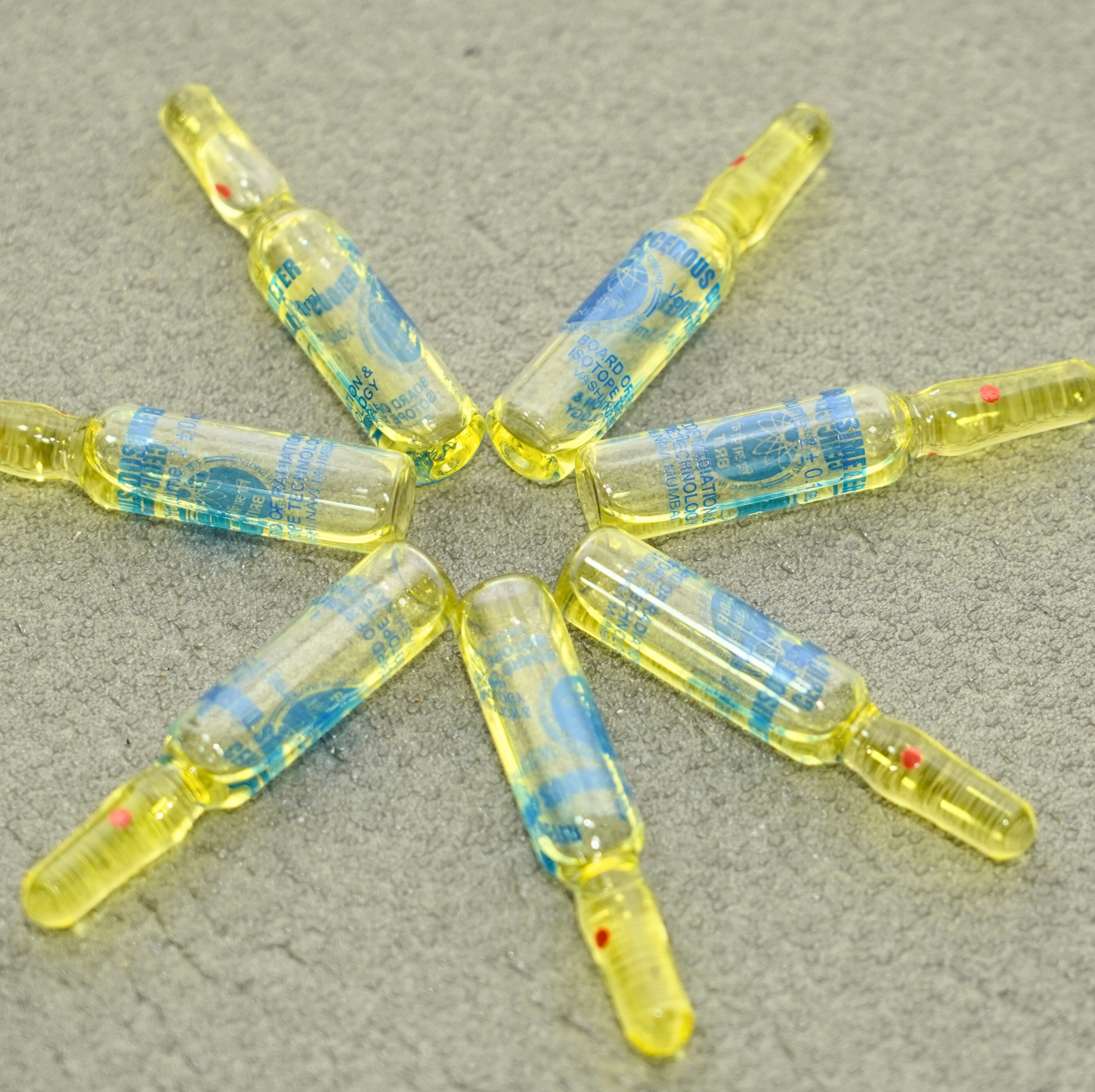
Dose Mapping

Precisely identify radiation distribution patterns within your product loads. We optimize sterilization parameters, confirm dose uniformity, and maximize both product safety and facility efficiency.

Explore More

Validation

Complete sterilization validation support from installation qualification through ongoing performance monitoring. We ensure continuous compliance and operational excellence.

Explore More

Product Development

Collaborative material compatibility and integrity testing determines optimal radiation dose ranges. We ensure your products maintain quality, functionality, and safety post-sterilization.

Explore More

Get in Touch with Our Experts